How to Organize a Small Home: 15 Smart Storage Ideas That Actually Work
A small home doesn’t have to feel cramped. The real problem is usually not the lack of square footage, but the lack of a storage system that works with the space you already have.
If you’re wondering how to organize a small home, start by looking beyond traditional cabinets and closets. Walls, doors, furniture, awkward corners, and even the space under your bed can become useful storage.
These 15 practical ideas will help you create a home that feels calmer, more functional, and easier to maintain.
1. Use the Space Behind Every Door
Doors are often completely overlooked in small home organization. Add slim over-the-door organizers to bedroom, bathroom, pantry, or closet doors.
Use them for:
- Cleaning supplies
- Shoes and accessories
- Toiletries
- Spices and small kitchen items
- Hair tools
- Bags and scarves
Choose shallow organizers so the door can still open and close comfortably.
2. Go Vertical Instead of Wider
When floor space is limited, look up. Tall shelving can provide significantly more storage without taking up much additional floor area.
This is one of the simplest small space organization solutions because it turns unused wall height into functional storage.
Install shelves above desks, toilets, kitchen counters, or dressers. In a rental, freestanding shelving units can provide a similar effect without permanent installation.
3. Give the Space Under Your Bed a Job
The area under the bed is valuable real estate in a compact home.
Use flat storage boxes, zippered containers, or drawers on wheels for things you don’t need every day, such as:
- Seasonal clothing
- Spare bedding
- Shoes
- Luggage
- Holiday decorations
Label each container so you don’t have to pull everything out when looking for one item.
4. Choose Furniture With Built-In Storage
When you’re buying furniture for a small home, look for pieces that perform two jobs.
A storage ottoman can work as seating and hide blankets. A bed with drawers can replace a separate dresser. A coffee table with shelves can hold books, games, or remote controls.
This approach is especially useful when you’re learning how to organize a small home without adding more bulky furniture.
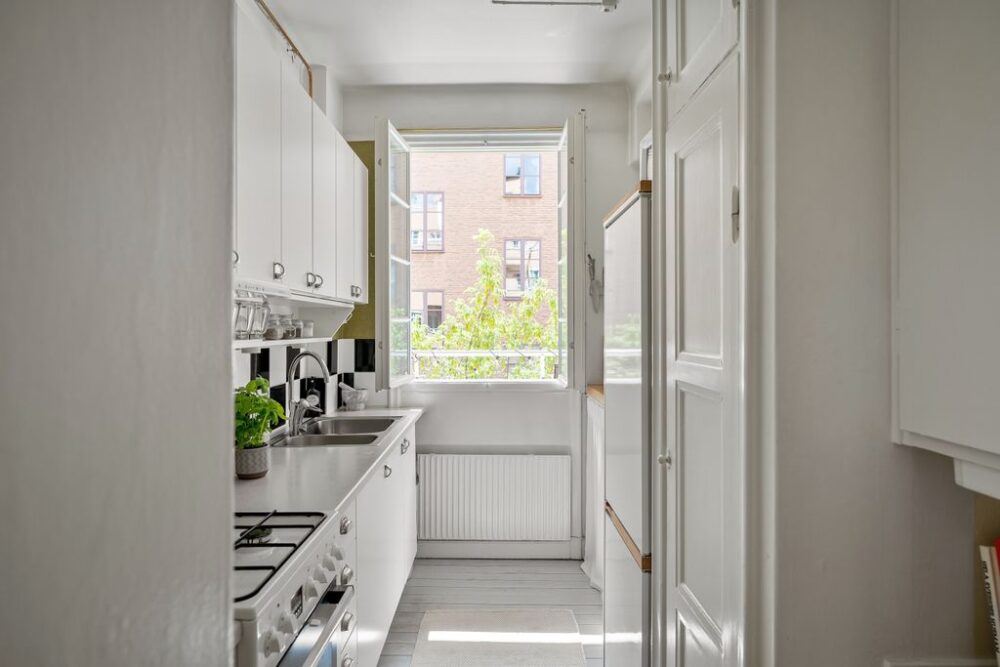
5. Turn Empty Wall Space Into Storage
Walls can do much more than display artwork.
Install hooks, pegboards, narrow shelves, or wall-mounted baskets where appropriate. A pegboard in the kitchen can hold utensils, while a wall rail near the entrance can keep everyday bags and jackets off the floor.
The key is to use vertical storage intentionally rather than covering every available wall.
6. Create a Dedicated Entryway Zone
Even if you don’t have a real hallway, you can create a miniature entryway.
A few hooks, a narrow shelf, and a small basket can give keys, shoes, coats, and bags designated homes.
Good small home organization ideas often start with the areas where clutter naturally accumulates. If an item repeatedly lands in the same place, that location may need a storage solution.
How to Create a Welcoming Entryway?
7. Install a Pegboard for Flexible Storage
A pegboard is useful because its layout can change as your needs change.
Use one in a kitchen, home office, craft area, laundry room, or bedroom. Add hooks, small shelves, and containers to create a customizable storage wall.
Instead of searching for more furniture, you’re making the most of the wall you already have.
8. Make Kitchen Cabinets Work Harder
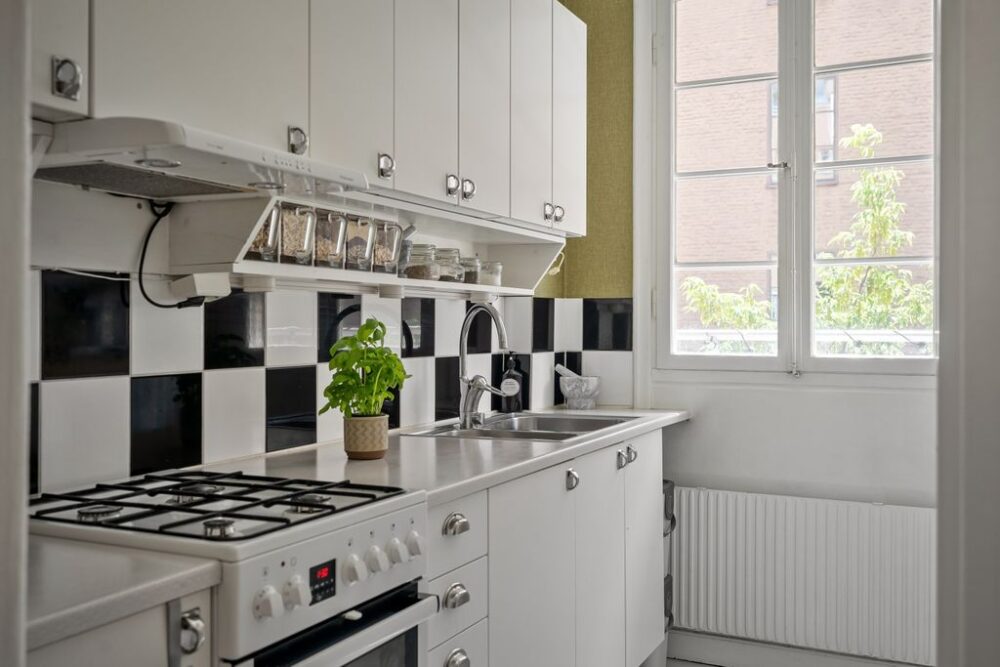
Cabinet space can disappear quickly when shelves are deep and poorly organized.
Try adding:
- Shelf risers
- Pull-out baskets
- Door-mounted racks
- Vertical dividers
- Stackable containers
Keep frequently used items at eye level and less-used items higher or farther back.
These simple small space storage ideas can make a compact kitchen feel much less chaotic.
9. Use the Corners You Usually Ignore
Awkward corners don’t have to remain empty.
A narrow corner shelf can hold books, plants, kitchen supplies, or bathroom essentials. A triangular shelf can work particularly well in spaces where standard rectangular furniture doesn’t fit.
Before buying anything, measure the corner carefully. A storage solution that fits precisely will usually be more useful than a larger piece that blocks movement.
10. Replace Bulky Furniture With Narrow Alternatives
A traditional cabinet may provide storage, but it can consume a surprising amount of floor space.
Look for narrow consoles, slim bookcases, wall-mounted cabinets, and rolling carts instead.
One of the most effective principles of small space organization is to prioritize storage capacity per square foot rather than simply buying more storage.
11. Use Matching Containers to Control Visual Clutter
Open shelves can quickly look messy when every item has different packaging.
Transfer frequently used pantry goods, laundry products, or small household supplies into matching containers. Clear containers make it easier to see what you have, while opaque boxes can create a cleaner visual appearance.
Don’t feel the need to containerize everything. Use this strategy selectively for categories that regularly become cluttered.
12. Create a “Drop Zone” for Everyday Items
Small objects create disproportionate amounts of mess because they have nowhere to go.
Place a small tray, bowl, or wall organizer near the place where you naturally enter your home. Use it for keys, sunglasses, wallets, headphones, and other daily essentials.
This is a surprisingly powerful part of small home organization because it prevents tiny items from spreading across multiple surfaces.
13. Use the Space Above Cabinets
The area above kitchen cabinets, wardrobes, and tall shelving is often wasted.
If it’s safe and accessible, use attractive boxes or baskets to store items you don’t use frequently.
Avoid putting heavy objects somewhere difficult to reach. A folding step stool can make occasional access easier, but everyday essentials should remain within comfortable reach.
14. Organize by Frequency, Not Just Category
Traditional organization often groups similar things together. That’s useful, but frequency matters too.
Keep everyday items in the easiest-to-reach locations. Put weekly-use items slightly farther away, and store seasonal or rarely used belongings in less accessible areas.
This makes how to organize a small home less about finding clever containers and more about creating a logical flow through your space.
15. Give Every Item a “Home”
The most effective storage system is one you can maintain.
If an item has no designated place, it will eventually end up on a counter, chair, floor, or other convenient surface. During your next decluttering session, ask one simple question:
Where should this live when I’m finished using it?
If you can’t answer that, you may not need the item—or you may need a better storage solution.
A Simple Small Home Organization System
You don’t need to reorganize your entire home in one weekend. Start with the areas that create the most daily friction.
A practical order is:
- Clear obvious trash and items that belong elsewhere.
- Remove things you no longer use.
- Group similar items together.
- Identify unused vertical and hidden storage space.
- Choose storage solutions based on what you actually own.
- Put frequently used items in the easiest locations.
- Label containers only where labels genuinely help.
- Test the system for a week and adjust it.
The best small home organization ideas aren’t necessarily the most elaborate ones. A few well-placed hooks or a single narrow shelf can sometimes solve a problem that a large storage unit cannot.
The Bottom Line
Good small space organization is less about squeezing more possessions into your home and more about making the available space work harder.
Use vertical walls, hidden areas, multifunctional furniture, doors, corners, and underused surfaces. Most importantly, avoid creating storage for things you don’t actually need.
Once every frequently used item has an obvious place, how to organize a small home becomes much simpler: reduce friction, use overlooked space, and build a system that’s easy to maintain.
With the right small space storage ideas, even a compact home can feel open, practical, and surprisingly comfortable.
FAQ: How to Organize a Small Home
How do I organize a small home without making it feel cluttered?
Start by reducing items you rarely use, then give frequently used belongings a designated place. Use vertical storage, hidden spaces, multifunctional furniture, and slim organizers instead of filling the floor with bulky furniture.
What are the best small home organization ideas?
Some of the most practical ideas include using the space under the bed, installing wall shelves, adding storage behind doors, choosing furniture with built-in storage, and creating dedicated drop zones for everyday items.
How can I organize a small space with very little storage?
Look for overlooked areas such as walls, doors, corners, the space above cabinets, and the area under furniture. Vertical shelves, hooks, pegboards, baskets, and narrow rolling carts can add storage without taking up much floor space.
How do I maximize storage in a small bedroom?
Use the space under the bed, choose a bed with built-in drawers, install shelves above a desk or dresser, and use vertical organizers inside the closet. Keep everyday items within easy reach and move seasonal belongings to less accessible storage.
What are some small space storage ideas for a kitchen?
Shelf risers, cabinet door organizers, vertical dividers, pull-out baskets, and stackable containers can make a small kitchen more efficient. Use the walls for frequently used utensils and keep rarely used appliances in less accessible areas.
How do I keep a small home organized long term?
The key is to give everything a specific place. After using something, return it to that location. Regularly remove items you no longer need and adjust your storage system when your habits or belongings change.