
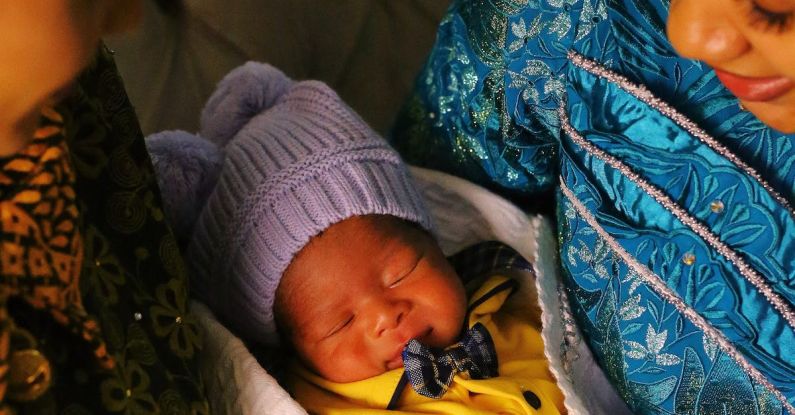
How to Prepare Financially for a New Baby?
Bringing a new baby into the world is an exciting and joyful experience, but it can also be financially overwhelming. From diapers to daycare, the costs can quickly add up. However, with proper preparation and planning, you can ensure that you are financially ready for the arrival of your little one. In this article, we will discuss some practical tips on how to prepare financially for a new baby.
Evaluate your current financial situation
Before the baby arrives, it is important to evaluate your current financial situation. Take a close look at your income, expenses, and savings. Calculate your monthly budget and identify areas where you can cut back or save money. This will give you a clear understanding of your financial standing and help you make necessary adjustments.
Create a baby budget
Creating a separate budget specifically for your baby’s expenses is crucial. Factor in costs such as diapers, formula or baby food, clothing, medical expenses, and childcare. Research the average costs of these items in your area to get a realistic estimate. By having a dedicated budget, you can track your expenses and ensure that you are not overspending.
Start saving early
It is never too early to start saving for your baby’s future. Set up a separate savings account specifically for your child’s expenses. Consider setting up an automatic transfer from your paycheck to this account each month. This will help you save consistently without even thinking about it. Additionally, look into opening a college savings account, such as a 529 plan, to start saving for their education.
Review your health insurance
Review your health insurance policy to understand the coverage for prenatal care, delivery, and newborn care. Familiarize yourself with any deductibles, co-pays, and out-of-pocket maximums. It is also worth considering adding your baby to your health insurance policy once they are born. Understanding your insurance coverage will help you plan for any potential medical expenses.
Explore government benefits
Research and explore any government benefits or programs that you may be eligible for. Many countries provide financial assistance for families with young children. These benefits can help with expenses such as child care, food, and medical costs. Check with your local government or social services department to see what programs are available in your area.
Consider your work situation
Take some time to consider your work situation and how it will be impacted by the arrival of your baby. Evaluate your maternity or paternity leave options, as well as any potential changes to your income during that time. If you plan on returning to work, research the cost of childcare in your area and factor it into your budget. You may also want to explore alternative work arrangements, such as flexible hours or remote work, to help balance work and family life.
Revisit your financial goals
Having a baby is a life-changing event, and it is important to revisit your financial goals in light of this new addition to your family. Take some time to reassess your short-term and long-term financial goals. This may include adjusting your savings targets, revising your investment strategy, or updating your estate planning documents. By aligning your financial goals with your growing family, you can ensure a secure future for both you and your baby.
In conclusion,
Preparing financially for a new baby requires careful planning and evaluation of your current financial situation. By creating a baby budget, starting to save early, reviewing your health insurance, exploring government benefits, considering your work situation, and revisiting your financial goals, you can ensure that you are financially prepared for the arrival of your little one. Remember, while the costs of raising a child may be significant, the love and joy they bring to your life are priceless.